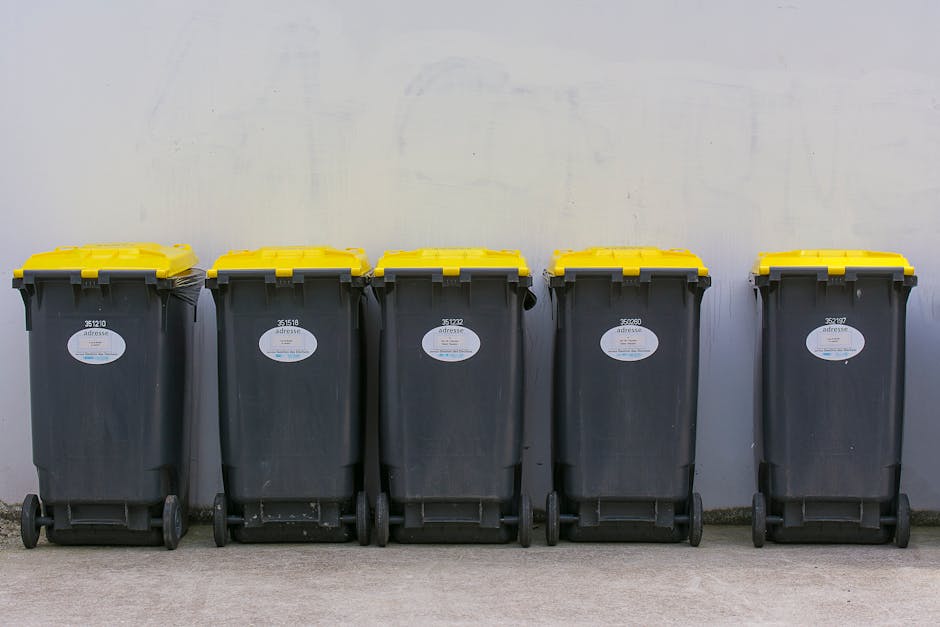
Shadwell Basin recycling and rubbish points to know: a practical local guide
If you live, work, or clear out property near the docks, understanding Shadwell Basin recycling and rubbish points to know can save you time, hassle, and a few avoidable trips with a heavy bag in the rain. Truth be told, waste disposal in East London can feel easy one minute and oddly confusing the next. One bin is for this, another is full, the lift is broken, and suddenly that old lamp or flattened box is sitting by the door making the place feel cluttered.
This guide breaks the topic down in plain English. You will learn how local recycling points and rubbish disposal usually work, what to separate before you leave home, which items need special handling, and when a proper clearance service makes more sense than dragging everything around yourself. If you are sorting a flat, a basement store, a boaty little pile of bits from a renovation, or just the weekly overflow, this should help.
Why Shadwell Basin recycling and rubbish points to know Matters
Waste is one of those everyday jobs that only becomes visible when it goes wrong. At Shadwell Basin, that might mean a recycling area fills up faster than expected, a mixed-waste bag gets rejected, or a bulky item sits too long in a communal space. Small problems like these quickly become messy, and not just visually. They can attract pests, create smells, block access, and cause friction with neighbours or building managers.
There is also a practical side. If you know what should go where, you save yourself repeated trips, you avoid overfilling bins, and you reduce the chance of contamination. A few minutes of sorting in the kitchen or hallway can spare you a lot of standing around later with a bag in your hand wondering whether it belongs in general waste, mixed recycling, or somewhere else entirely. We have all done that little shuffle, pretending to inspect a label that is probably too smudged to read anyway.
For local households, landlords, renters, and small businesses, the main benefit is simple: better planning. Once you understand the rubbish points and recycling habits around a place like Shadwell Basin, you can clear waste more efficiently and keep spaces cleaner for longer.
How Shadwell Basin recycling and rubbish points to know Works
In most residential and mixed-use London settings, recycling and rubbish points are designed to separate common waste streams. That usually means keeping dry recyclables apart from general rubbish, and keeping bulky or specialist items out of ordinary bins altogether. The exact setup depends on the building, estate, or collection arrangement, but the day-to-day principle stays the same: sort first, dispose second.
At a practical level, you may encounter different collection areas for:
- general household rubbish
- mixed recycling such as clean cardboard, cans, tins, and bottles
- food waste, where provided
- bulky or occasional waste points for larger items
- special handling routes for electricals, paint, or hazardous materials
In buildings near the basin, space can be tight. That means bins may fill quickly, and the small details matter more than people expect. A cardboard box left unflattened can take the room of three. A half-full bag of garden waste can block a chute or make a recycling point look full when it is not. Minor stuff, yes. But it adds up fast.
One useful thing to remember is that rubbish points are not just about convenience. They are part of a wider waste system that keeps communal areas usable and helps recycling loads stay clean. If a recycler receives too much contamination, more of it is likely to be diverted into disposal. Nobody wants that, least of all the people who have just spent ten minutes rinsing jars in the sink.
If you need help moving out larger volumes, services like waste removal and recycling and sustainability guidance can help you make sense of what should be separated before collection.
Key Benefits and Practical Advantages
Getting rubbish and recycling right around Shadwell Basin is not glamorous, but it does make daily life easier. You notice it most when things are busy: moving day, a flat refresh, a family clear-out, or the end of a lease. The benefits are both immediate and long-term.
- Cleaner shared spaces: Waste stays where it should, rather than building up in hallways or beside bin stores.
- Less contamination: Better sorting means recycling loads are more likely to stay recyclable.
- Fewer rejected items: You avoid the frustration of finding a bag left behind because it was mixed incorrectly.
- Safer handling: Broken glass, loose metal, or awkward furniture pieces are easier to manage when separated in advance.
- Less waste overall: Once you start sorting properly, you often realise how much can be reused, donated, or recycled.
There is also a quieter advantage: peace of mind. When bins are organised, the whole place feels less tense. That may sound a bit dramatic for rubbish points, but if you live in a busy building, you know what I mean. A neat waste area can genuinely change how calm a property feels.
For bigger clearances, the right disposal route can also reduce lifting, save time, and help you avoid putting the wrong things in the wrong place. That matters for homeowners, landlords, and local businesses alike.
Who This Is For and When It Makes Sense
This guide is useful if you are dealing with everyday household rubbish, but it becomes especially helpful in a few common situations. A quick example: you have just unpacked half your flat after a move and the cardboard is multiplying in the corner. Another one: you are clearing out an office cupboard and suddenly there are cables, a printer, old files, and a wobbly chair nobody seems to own. That is exactly when knowing your options pays off.
The people who usually benefit most include:
- renters and leaseholders in flats near Shadwell Basin
- landlords preparing a property for new occupants
- managing agents handling shared bin areas
- small businesses needing regular waste control
- households planning a one-off clear-out
- people replacing furniture, appliances, or mattresses
It also makes sense if you have a mix of materials. Maybe there is cardboard, a broken desk lamp, and a sofa that has seen better days. That kind of mixed load is where people often hesitate. Do you separate it all? Do you carry the lot at once? Should you book help? The answer depends on volume, access, and whether any item needs specialist handling. If the answer is "probably more than I want to lug down three flights of stairs," you already have your clue.
For furniture-heavy jobs, the pages on furniture clearance, furniture disposal, and mattress and sofa disposal can be particularly useful.
Step-by-Step Guidance
Here is a straightforward way to handle waste near Shadwell Basin without overthinking it.
- Sort everything into clear groups. Start with recyclables, general rubbish, bulky items, and anything questionable.
- Flatten and empty packaging. Cardboard, soft plastic wrap, and boxes take up much less room when prepared properly.
- Check for contamination. Food residue, liquids, and mixed materials can make recycling loads less useful.
- Separate special items early. Batteries, electricals, paint, chemicals, and broken appliances often need a different route.
- Use the correct point or bin. Shared waste areas usually work best when everyone follows the same system.
- Plan bulky waste before moving day. Large items are much easier to remove when you are not rushing.
- Book help for awkward loads. If the item is heavy, dirty, or too large for communal storage, professional removal may be the sensible option.
A tiny bit of planning goes a long way. If you are unsure whether something is suitable for disposal, it is better to pause for a minute than to guess and make a mess of the whole stack.
For renovation debris or mixed building material, builders waste clearance and what can go in a skip are useful starting points.
Expert Tips for Better Results
After enough waste clearances, a few patterns become obvious. The best results usually come from being a little more organised than you think you need to be. Not wildly organised. Just enough.
- Keep a small holding area at home. A spare box, crate, or bag for batteries, cords, and small electrical bits stops them drifting into general rubbish.
- Break bulky packaging down immediately. Waiting until the pile is huge makes the job feel bigger than it is.
- Use one "questionable items" box. If you are unsure about something, put it aside and deal with it separately later.
- Don't let damp build up. Wet cardboard and soggy paper usually lose recycling value fast.
- Take photos before booking clearance. It helps when arranging a collection and avoids misunderstandings.
- Protect floors and lifts. Bags can split, and furniture can scuff walls if you rush.
One small but useful habit: if you are doing a clear-out on a Sunday evening, set aside the items for recycling before the rest of the house gets busy again. It sounds obvious, but it stops the pile from migrating to the corridor. And once waste starts wandering, it is surprisingly hard to herd back.
If you are dealing with a whole room, a loft, or a garage full of mixed clutter, the relevant pages on loft clearance, garage clearance, and home clearance may help you plan the job more neatly.
Common Mistakes to Avoid
Most waste problems around communal areas come from a handful of repeat mistakes. None of them are dramatic on their own, which is why people keep doing them. Then the bin store becomes the place everyone avoids after dark. Not ideal.
- Putting mixed rubbish into recycling. One greasy takeaway container can spoil a small load if it is not handled properly.
- Leaving bags beside bins. This often attracts pests, blocks access, and makes the area look neglected.
- Assuming all appliances are ordinary waste. Fridges, freezers, and other electricals usually need special handling.
- Forgetting confidential materials. Paper records should not go out loose with general rubbish.
- Waiting until the last minute. That is when heavy items get shoved into the wrong place simply to get them out of the way.
- Not checking building rules. Some sites have clearer restrictions than people expect, especially for shared disposal spaces.
There is also a practical issue with overconfidence. A lot of people think, "It is only one bag," and then that one bag turns into four, plus a broken chair and a microwave that stopped being trustworthy sometime during lockdown. Better to pause and plan than improvise under pressure.
For sensitive paperwork, confidential shredding is the safer route. For broken or unwanted appliances, fridge and appliance removal is the more appropriate option.
Tools, Resources and Recommendations
You do not need fancy kit to handle everyday rubbish well, but a few practical tools make the job much easier.
| Tool or resource | Why it helps | Best for |
|---|---|---|
| Sturdy reusable bags | Reduces spills and makes sorting cleaner | Household rubbish and light recyclables |
| Marker pen and labels | Keeps recycling, general waste, and special items separate | Flats, shared homes, busy clear-outs |
| Box cutter or scissors | Helps flatten cardboard safely | Packaging and move-in waste |
| Gloves | Useful for handling dusty, sharp, or awkward items | Garage, loft, and basement clearances |
| Wheelie bag or sack trolley | Reduces lifting and trips | Long corridors and heavier loads |
In terms of services, it often helps to match the job to the waste type rather than forcing one solution for everything. A tidy flat clear-out may suit flat clearance, while a larger family project might lean towards house clearance or home clearance. For business premises, office clearance and business waste removal are often a better fit.
For costs, it is sensible to compare written quotes and understand what is included. A fair quote should be clear about labour, load size, access conditions, and whether any specialist items are involved. You can also review pricing and quotes before making a decision.
Law, Compliance, Standards, or Best Practice
Waste handling in the UK is not something to treat casually. You do not need to become an expert overnight, but a few standards of behaviour matter. The broad principle is simple: waste should be stored, separated, and passed on responsibly. That applies whether you are disposing of a bag of rubbish, a broken appliance, or the contents of a whole flat.
For households, best practice usually means using the right bins, avoiding contamination, and keeping communal areas clear. For businesses, the expectations are stricter. Waste should be managed in a way that is traceable, safe, and consistent with the type of material being disposed of. If you are running a workplace or a rental property, it is worth treating waste as an operational matter, not an afterthought.
Safety matters too. Heavy lifting, sharp edges, and electrical items can create real risks if handled badly. If you are moving furniture down stairs or through tight entrances, check the route first, protect surfaces, and do not try to be heroic about it. Nobody wins a prize for wrestling a sofa through a narrow landing.
For more detail on how a provider approaches responsible work, it may help to read about health and safety policy, insurance and safety, and recycling and sustainability. If you want to understand broader service terms, terms and conditions are also worth checking.
Options, Methods, or Comparison Table
Not every waste job around Shadwell Basin needs the same approach. Sometimes the right answer is a bin sort-out. Sometimes it is a single bulky collection. Sometimes it is a full clearance. Here is a simple comparison to help you decide.
| Method | Best for | Pros | Watch out for |
|---|---|---|---|
| Local recycling points | Clean, separated everyday materials | Quick, familiar, low cost | Space limits, contamination, opening times |
| General rubbish bins | Non-recyclable household waste | Simple and immediate | Overfilling, odours, frequent emptying |
| Bulky waste collection | Large items like furniture or mattresses | Handles awkward items more safely | May need booking and preparation |
| Professional waste removal | Mixed loads, heavy items, time-sensitive clear-outs | Fast, flexible, less lifting | Choose the right service and confirm item types |
For many people, the decision comes down to volume and access. A few bags? Recycling point. A broken wardrobe and a mattress? Probably a dedicated disposal route. A full flat after a tenancy? You will likely want a service that can handle several waste streams at once.
Item-specific pages such as mattress and sofa disposal and fridge and appliance removal are handy when the load is not straightforward.
Case Study or Real-World Example
Here is a very ordinary example, which is exactly why it is useful. A couple in a flat near the basin had just finished redecorating one room. By the front door they had three flattened boxes, two bags of mixed packaging, an old bedside cabinet, a dead lamp, and a small pile of paperwork they did not want to throw away loose. Nothing extreme. Just the kind of everyday mess that quietly gets in the way.
They started by separating cardboard from plastic wrap and general rubbish. The papers went into a secure pile for shredding later. The lamp and cabinet were kept aside with the other bulky items. By doing that first, they avoided contaminating the recycling and made the rest of the job much easier. What looked like a frustrating little mountain became three neat groups, each with its own route.
Later that week, they arranged collection for the bulky pieces and took the recyclable packaging out in one go. The result was boring, in the best possible way. No overfilled bin store. No awkward bags left in the hallway. No last-minute panic. Just a clean exit. And honestly, that is what good waste management often looks like: not dramatic, just quietly effective.
This kind of planning is especially helpful during a move, a refurbishment, or a tenancy handover. If your situation is larger, the broader services on flat clearance and home clearance are worth a look.
Practical Checklist
Use this quick checklist before you dispose of anything near Shadwell Basin:
- Have I separated recycling from general rubbish?
- Are boxes flattened and containers emptied?
- Is anything broken, sharp, or heavy enough to need gloves or extra care?
- Do I have any batteries, cables, or electrical items that should be kept apart?
- Is there any confidential paper that needs shredding?
- Have I checked whether the item is a bulky waste piece rather than ordinary rubbish?
- Will the item fit safely through the route, lift, or stairwell?
- Do I know which disposal method suits the load best?
- Have I left the bin store or collection point tidy after use?
- Am I likely to need help because the job is bigger than it looked at first?
If you can tick most of those off, you are usually in a good place. If not, take a breath and reset. Waste jobs have a nasty habit of becoming easier as soon as you slow down for two minutes.
Get a free quote today and see how much you can save.
Conclusion
Knowing the basics of Shadwell Basin recycling and rubbish points to know makes everyday life smoother, cleaner, and less stressful. The real win is not just getting rid of waste; it is handling it in a way that protects shared spaces, keeps recyclable material cleaner, and saves you from unnecessary effort.
Start small if you need to. Sort the obvious items, flatten the boxes, and set aside anything awkward for separate handling. If the job turns into more than a quick tidy-up, that is perfectly normal. Some waste is easy. Some is a bit of a faff. That is life, really.
With a sensible plan, a few good habits, and the right disposal route for the right item, you can keep the area around you orderly without overcomplicating things. And that, in a busy part of London, is a very decent outcome.
Frequently Asked Questions
What should I put in recycling at Shadwell Basin?
Use recycling points for clean, dry recyclable materials such as cardboard, paper, cans, tins, and bottles, if those items are accepted in your building's system. If something is greasy, wet, or mixed with food waste, it is usually better kept out of recycling.
Can I leave rubbish beside the bins if they are full?
It is usually best not to. Bags left beside bins can attract pests, create blockages, and cause trouble for neighbours or building staff. If the point is full, wait for the next collection or use a different approved disposal route.
How do I dispose of bulky furniture near Shadwell Basin?
Large furniture is usually better handled through a dedicated bulky waste route or a clearance service. Pages such as furniture clearance and furniture disposal can help you choose the right approach.
Are fridges and appliances treated as general rubbish?
No, not usually. Fridges, freezers, and many appliances need special handling because they contain materials that should not simply go into ordinary bins. It is safer to use a service designed for electrical or appliance removal.
What happens if recycling is contaminated?
Contamination can reduce the value of a recycling load and may cause the whole batch to be rejected or treated as waste instead. Common contaminants include food residue, liquids, and mixed materials that should have been separated.
Is it worth booking waste removal for a small clear-out?
Sometimes, yes. If the items are heavy, awkward, or hard to move through a flat or communal hallway, professional help can save time and reduce the risk of damage or injury. A small-looking job can get tiring very fast.
What should I do with confidential paper records?
Keep them separate from household rubbish and use a secure disposal route. Loose paperwork should not go into general waste if it contains personal or business information. Confidential shredding is the safer option.
Can I recycle packaging from online deliveries?
Usually yes, provided the packaging is clean and dry. Flatten cardboard boxes, remove loose tape if practical, and keep plastic film or mixed materials separate if they are not accepted in your recycling system.
How do I know whether I need a clearance service or a skip?
Think about access, volume, and what you are throwing away. If the waste is mixed, bulky, or coming from inside a property where lifting is awkward, a clearance service may be easier. If you have a larger, more uniform load and space for a container, a skip may be suitable. The page on what can go in a skip is a sensible reference point.
What is the safest way to move heavy rubbish from a flat?
Check the route first, protect surfaces, use gloves if needed, and avoid rushing. If the item is very heavy or awkward, it is better to get help than to risk injury or damage to walls, lifts, or stair rails.
Where can I learn more about responsible waste handling?
For a broader overview, the page on recycling and sustainability is a helpful next step. If you are comparing services or planning a larger job, pricing and quotes may also be useful.
Do businesses need a different approach to rubbish and recycling?
Often, yes. Business waste usually needs a more regular, organised system, especially if the premises produce mixed waste, confidential paper, or larger volumes. Business waste removal is designed for that kind of need.