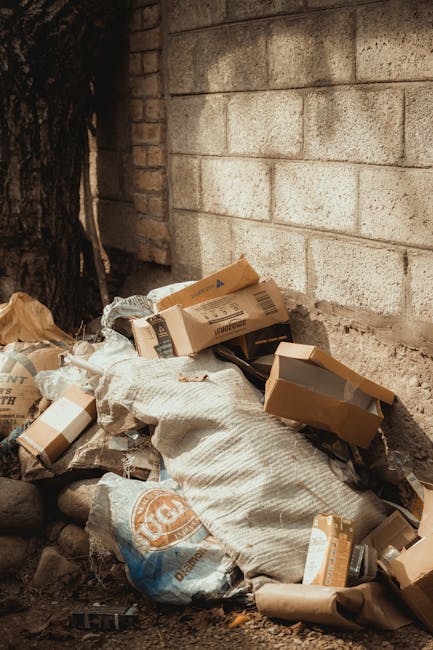
What to know about tight access rubbish jobs in Shadwell

If you have ever tried to move a sofa down a narrow stairwell, or watched a fridge get stuck halfway through a Victorian hallway, you already understand the problem. Tight access rubbish jobs in Shadwell are not just about lifting waste and driving away. They are about planning, patience, and knowing how to work in awkward spaces without damaging walls, floors, or your own back.
In Shadwell, that often means older blocks, compact flats, basement levels, shared staircases, limited parking, and loading bays that never seem to be where you need them. This guide explains what to know about tight access rubbish jobs in Shadwell, how the process usually works, what makes these jobs different, and how to avoid the common headaches that turn a simple clearance into a long afternoon.
- Why tight access rubbish jobs in Shadwell matter
- How the process works
- Key benefits and practical advantages
- Who this is for and when it makes sense
- Step-by-step guidance
- Expert tips for better results
- Common mistakes to avoid
- Tools, resources and recommendations
- Law, compliance, standards and best practice
- Options and comparison table
- Real-world example
- Practical checklist
- Conclusion
- Frequently asked questions
Why What to know about tight access rubbish jobs in Shadwell Matters
Tight access changes the whole nature of a rubbish removal job. A straightforward clearance can become tricky very quickly if the team cannot bring items out in a direct line, park close to the property, or use wide turning space. In a place like Shadwell, that matters because many properties are built around older layouts and busy streets, so even small clearances can take careful coordination.
Why does this matter so much? Because poor access usually affects three things at once: time, safety, and cost. A job that looks small on paper may need extra labour, more careful dismantling, or a different vehicle setup. If the team turns up without checking the access route first, you may end up with delays, avoidable damage, or items that cannot be removed in one go.
There is also the simple human side of it. Tight access jobs are stressful for customers because the space often feels unforgiving. A narrow stairwell shows every scuff. A shared entrance means neighbours notice everything. A basement flat in the middle of winter, with rain at the kerb and a heavy wardrobe to move, is nobody's favourite afternoon. To be fair, these are the jobs where good planning pays off the most.
For anyone dealing with awkward removals, it helps to understand that the issue is not just "can it be collected?" but "how can it be collected safely, cleanly, and without turning the property into a worksite?" That mindset changes the outcome entirely.
How What to know about tight access rubbish jobs in Shadwell Works
Most tight access rubbish jobs follow the same broad pattern, but the details matter. The process usually starts with a description or assessment of the items, the location, and the route in and out. That route is the real story. Can a crew carry bulky waste down stairs? Is there a lift, and if so, is it large enough? Can a vehicle stop nearby? Will items need breaking down first?
In practical terms, the job may involve more than one technique. Some items can be carried as they are. Others may need to be disassembled, wrapped, or taken out in smaller sections. In the case of furniture, this can make a big difference. A bulky wardrobe that cannot make the turn on a landing may be easier to take apart than to force through and damage the wall. Nobody wants that kind of drama.
For tighter properties, the crew may also plan around timing. Morning access can be easier if communal areas are quieter. Off-peak loading may help where parking is limited. In some streets, a shorter waiting window is better than a long one, because the less time spent blocking access, the smoother the whole job becomes.
If you are comparing providers, useful services such as flat clearance, home clearance, and house clearance often overlap with tight access work, but the key difference is not the label. It is the amount of planning needed before anything is lifted.
And yes, a quick site description can be enough in many cases. But if you have a spiral staircase, a tiny lift, or a basement entrance with a sharp turn at the bottom, that is the sort of detail that should never be left out. It is the kind of thing people remember after the first lift attempt. Usually with a sigh.
Key Benefits and Practical Advantages
When tight access rubbish removal is handled properly, the benefits are obvious almost straight away.
- Less risk of damage: careful routing and handling reduce scuffs, dents, and chipped paint on stairs and door frames.
- Safer lifting: items are moved in a way that suits the space, which lowers the chance of slips and strain.
- Faster completion: a team that understands awkward access spends less time improvising on site.
- Better for neighbours and shared spaces: fewer blockages, less noise, and less frustration in communal areas.
- More accurate quoting: access details help avoid surprise charges and last-minute complications.
One practical advantage people often overlook is reduced decision fatigue. If you are already juggling a move, a refurbishment, or a clear-out after a tenancy, the last thing you need is to micromanage rubbish removal. A well-planned tight access job gives you a cleaner yes-or-no decision: can this be removed today, and what needs to be done first?
There is another benefit, too. Tight access jobs are often where recycling and sorting can still be done properly, provided the crew has enough space to separate materials safely. That ties in well with responsible disposal choices and services such as recycling and sustainability and waste removal. The goal is not just to get rid of things; it is to do it in a way that makes sense.
Who This Is For and When It Makes Sense
This kind of job is relevant to a lot more people than you might think. In Shadwell, it often applies to residents in flats, maisonettes, converted houses, and properties with shared entrances or restricted parking. It also comes up for landlords, estate agents, letting teams, small businesses, and anyone managing a space where access is just a bit awkward.
It makes sense when:
- the property has narrow stairs or tight turns
- items are too bulky to move in one piece
- the lift is small or unavailable
- the entrance is shared with neighbours
- parking or loading is limited
- you need quick clearance without causing disruption
It is especially useful after a tenancy ends, during a refurbishment, or when clearing inherited items from a compact flat. Sometimes the issue is one large item. Sometimes it is a whole pile of mixed rubbish that has to come out through the same awkward route. Either way, the access dictates the plan.
If the items include furniture, white goods, or a mix of household waste, related services like furniture clearance, furniture disposal, or fridge and appliance removal may be more appropriate than trying to handle everything in one rough sweep. Different items ask for different handling. Simple, really, but easy to forget in the rush.
Step-by-Step Guidance
If you are planning a tight access rubbish job, a steady process helps more than guesswork. Here is the approach that usually gives the smoothest result.
- List every item clearly. Include bulky pieces, fragile items, and anything awkward such as broken furniture or heavy appliances.
- Describe the access route. Mention stairs, lifts, narrow halls, basement steps, shared entrances, and any low ceilings or sharp corners.
- Check parking and stopping space. Even a short walk from vehicle to door can change the job significantly.
- Separate anything that may need special handling. That includes appliances, hazardous materials, or confidential paperwork.
- Decide whether items should be dismantled. A bed frame or wardrobe may come out more easily in parts.
- Prepare the route inside the property. Move loose objects, open doors where possible, and protect floors if needed.
- Confirm how the waste will be sorted. Reusable items, recyclable materials, and general rubbish should not all be treated the same way.
A good provider will ask questions before arriving. That is a good sign, not an annoying one. It usually means they are thinking ahead rather than guessing on the pavement with a trolley and hope.
If the job is part of a bigger clear-out, it can help to combine it with a broader service such as loft clearance, garage clearance, or office clearance if those spaces are involved. Just make sure the access challenge is explained for each area, because a loft hatch and a basement corridor are not remotely the same thing.
Expert Tips for Better Results
Small details make a huge difference on tight access jobs. In our experience, the best outcomes come from treating the access route like part of the job, not a side note.
- Measure the awkward parts. Door widths, stair turns, lift openings, and headroom all matter.
- Take photos in daylight. A quick picture of the entrance, the stairs, and the items can save a lot of back-and-forth.
- Clear the path before collection. Shoes, planters, bin bags, prams, and random storage boxes have a habit of being in the way. Always.
- Protect the surfaces that matter. Cardboard, blankets, or floor coverings can be useful where the route is especially tight.
- Keep neighbours in mind. Shared hallways and stairwells can get busy quickly, so timing matters.
One smart move is to ask whether a job can be split into stages if needed. For example, furniture can be dismantled first, then the remaining general waste collected after. That is often better than forcing everything into one narrow window. It may sound less dramatic, but it usually works better. Which is kind of the point.
If you are dealing with heavy or awkward furniture, especially sofas or mattress items, it is worth looking at specialised handling options like mattress and sofa disposal. These items are often bigger than they appear, and the bend at the bottom of the stairs is where confidence goes to die.
Common Mistakes to Avoid
Most problems on tight access rubbish jobs come from assumptions. A few common ones stand out.
- Assuming the team can "just carry it out". Not every item can fit through the route in one piece.
- Forgetting to mention the lift size. A lift that exists is not always a lift that helps.
- Leaving access photos until the last minute. Clear pictures are often more useful than a rushed phone description.
- Mixing restricted items with general waste. Some items need separate handling, especially appliances or anything classed as hazardous.
- Ignoring parking constraints. If a vehicle cannot stop close enough, the job can take longer and cost more.
- Not checking shared-area rules. In blocks and conversions, access may depend on building arrangements as much as the room layout.
The most expensive mistake is usually the easiest one to make: under-explaining the access. A tiny staircase detail can change the whole job. It is not over-cautious to mention it. It is practical.
Another common issue is trying to force unsuitable waste into the wrong route. For example, a fridge or freezer in a narrow hallway is not the sort of thing you want to wrestle with on a wet Tuesday morning. Better to flag it properly and arrange the right method through fridge and appliance removal rather than improvising.
Tools, Resources and Recommendations
For residents and property managers, the most useful resources are often simple ones. A tape measure, a phone camera, a notepad, and a clear understanding of what needs removing can do a lot of the heavy lifting before the crew even arrives.
Useful things to prepare:
- measurements of doors, stairs, lift openings, and tight corners
- photos of the route and the waste
- a list of items grouped by type
- any building access instructions or time restrictions
- details of items that may need special handling
For broader jobs, it can help to look at related pages such as house clearance, home clearance, and builders waste clearance if the rubbish comes from a refurb or repair project. These give a better idea of how mixed waste streams are typically handled.
It is also sensible to review information on pricing and quotes before booking, especially if access might affect the time required. And if you want to understand how a provider treats security and payments, that is usually best checked in advance through payment and security. Small details, but they matter when you are trying to keep a job straightforward.
Law, Compliance, Standards, or Best Practice
For rubbish removal in the UK, compliance is not something to leave to chance. The specifics can vary depending on the waste type and the job setup, but a responsible operator should work in line with accepted waste-handling duties, safety practice, and duty-of-care expectations. If hazardous items are involved, the need for caution goes up immediately.
In plain English, that means waste should be assessed before collection, handled safely, and sent to the right outlet for reuse, recycling, treatment, or disposal. Mixed waste should not be dumped together without thought. Items like chemicals, batteries, paints, or anything that may be classed as hazardous need extra care and should be separated if necessary.
Best practice on tight access jobs usually includes:
- clear pre-job assessment
- safe manual handling
- protection of property surfaces where needed
- proper vehicle loading and segregation
- careful treatment of communal areas
- appropriate handling of restricted or hazardous waste
If the waste includes anything sensitive or business-related, supporting services like confidential shredding and business waste removal may be relevant. For specialised or risky waste, hazardous waste disposal is the safer route. That is not the place for shortcuts.
Some readers also like to check provider commitments around insurance and safety and the broader health and safety policy. Sensible move, really. On tight access work, you want proof that the team takes the risks seriously, not just someone smiling confidently in the rain.
Options, Methods, or Comparison Table
Not every tight access job needs the same method. The right choice depends on the items, the route, and how much disruption you can tolerate.
| Method | Best for | Strengths | Limitations |
|---|---|---|---|
| Manual carry-out | Smaller items and lighter mixed rubbish | Flexible, fast, works well in narrow homes | Can be slower for bulky loads or many trips |
| Dismantling first | Wardrobes, beds, bulky furniture | Improves access through tight corners and stairs | Needs extra time and the right tools |
| Staged clearance | Large or mixed clear-outs | Less disruption, easier to control the route | May take more than one visit |
| Specialist item removal | Appliances, heavy sofas, awkward single items | Safer handling for large or awkward waste | Requires accurate pre-job detail |
In some homes, the best choice is a combination. A sofa may be dismantled, general rubbish bagged, and a fridge removed separately. That kind of mixed approach is often the most realistic one in Shadwell properties with stairs, shared access, or limited outside space.
Case Study or Real-World Example
Picture a second-floor flat near a busy road in Shadwell. The property has a narrow communal hallway, a tight stair bend halfway down, and no lift. The customer needs a mattress, a dismantled bed frame, several bin bags, and an old cabinet removed before a tenancy handover the next morning.
On paper, it sounds straightforward. In reality, one cabinet corner catches the stair rail on the way down, and the mattress needs a careful twist at the landing. Nothing dramatic, just one of those jobs where everybody has to slow down a bit.
The solution is simple but not glamorous. The cabinet is dismantled further, the items are moved in a set order, and the route is kept clear before each trip. The crew works quietly, protects the corners, and checks each turn before committing to the lift. The job finishes without scuffs or delays, and the flat is ready on time.
That is the real lesson here. Tight access jobs are rarely about brute force. They are about sequence, preparation, and not pretending a narrow staircase is going to become wider if you just try hard enough. It won't.
Practical Checklist
Use this before booking or on the morning of collection.
- List all items to be removed
- Measure the narrowest doors and stair turns
- Check whether a lift is usable and large enough
- Confirm parking or loading access
- Take clear photos of the route and the waste
- Separate anything fragile, hazardous, or confidential
- Decide if furniture needs dismantling
- Clear the access path inside the property
- Protect surfaces if the route is especially tight
- Ask about pricing, timing, and any extra labour required
Expert summary: the better the access information, the smoother the job. Tight access rubbish removal in Shadwell is usually won before the team arrives, not after.
If you are ready to arrange a clearance and want to keep the process simple, you can book online when it suits you, or use contact us if the job is awkward and needs a bit of discussion first. A short conversation upfront can save a lot of hassle later.
Get a free quote today and see how much you can save.
Conclusion
What to know about tight access rubbish jobs in Shadwell comes down to one thing: the route matters as much as the rubbish. Narrow stairs, shared entrances, limited parking, and bulky items all change how a job should be planned. The good news is that these jobs are perfectly manageable when the access is described properly and the removal is approached with care.
Whether you are clearing a flat, moving out of a house, or getting rid of a few awkward items that never quite fit through the hall, the right preparation makes the work safer, cleaner, and less stressful. And honestly, that is what most people want at the end of the day: the mess gone, the walls intact, and one less thing to think about.
Take the time to measure, photograph, and explain the tricky bits. The job becomes calmer from there, which is a lovely thing on a crowded London street.
Frequently Asked Questions
What counts as a tight access rubbish job in Shadwell?
It is any rubbish removal job where the route in or out is awkward, narrow, or restricted. That might mean stairs, small lifts, tight corners, shared hallways, basement access, or limited parking close to the property.
Why do tight access jobs usually cost more than standard rubbish removal?
They can take longer, need extra labour, or require dismantling and more careful handling. Sometimes the extra effort is small, but sometimes the access route changes the whole job. That is why clear details matter before quoting.
How can I prepare for a tight access clearance?
Measure doorways and stair turns, take photos of the route, clear the path, and separate any items that need special handling. If possible, give the provider the key access details before the visit.
Can bulky furniture be removed from narrow stairs?
Often yes, but not always in one piece. The team may need to dismantle the furniture first or move it in sections. Sofas, wardrobes, and bed frames are common examples.
What if my building has a small lift?
A small lift can help, but only if it is large enough for the item and safe to use. If the item does not fit comfortably, the crew may need to use stairs or dismantle the item instead.
Do I need to be present during the collection?
That depends on the arrangement, but being available at the start is usually helpful. It lets you confirm the items, point out access issues, and answer any last-minute questions.
Are there items that should not be mixed with general rubbish?
Yes. Appliances, hazardous materials, confidential paperwork, and some electrical items may need separate handling. If you are unsure, ask before the job starts rather than guessing.
What is the best way to get an accurate quote?
Give a full list of items, explain the access route, and include photos if you can. The more accurate the description, the less likely there will be any surprises on the day.
Can tight access jobs still be recycled properly?
Yes, they often can. As long as items are sorted and handled properly, recycling and responsible disposal are still very much possible. Good access planning helps with that rather than getting in the way.
What should I do if the job involves heavy appliances?
Flag them early and ask how they should be handled. Services such as fridge and appliance removal exist because these items can be awkward, heavy, and sometimes risky to move through narrow spaces.
Is it better to split a big job into stages?
Sometimes, yes. If the access is very tight or the property is busy, splitting the job can reduce disruption and make the clearance safer. It is not always necessary, but it is often sensible.
How do I know if a provider is a good fit for a tight access job?
Look for clear questions about the route, item sizes, parking, and building access. A provider that asks careful questions is usually taking the job seriously. That is what you want, really.
What if I am clearing a flat after a move and the hallway is cluttered?
Clear the hallway before collection if you can. If not, mention it upfront so the crew can plan safely. Jobs in compact flats are often smoother when the path is made as simple as possible before the team arrives.
Where can I find more information about related clearance services?
Useful related pages include flat clearance, furniture clearance, house clearance, and waste removal. They can help you judge which service fits the job best.